

Why do consumer laptops fail in the field while rugged laptops excel? This article will explain the key differences and help you choose the right device for demanding environments. Rugged vs consumer laptops: why one fails in the field is a critical topic for anyone selecting technology for challenging conditions.
This article is for professionals, field workers, and business decision-makers evaluating laptops for use in challenging environments. Choosing the wrong type of laptop can lead to costly failures, downtime, and lost productivity in the field.
Key Takeaways
- Rugged laptops are built for durability, designed to withstand extreme temperatures, dust, moisture, and physical impacts, while consumer laptops struggle in harsh environments.
- Long battery life and features like hot-swappable batteries make rugged laptops ideal for field operations where power access is limited.
- Choosing the right laptop depends on specific needs; while rugged laptops have a higher upfront cost, they offer better long-term value due to their longevity and lower total cost of ownership.
Defining Rugged and Consumer Laptops
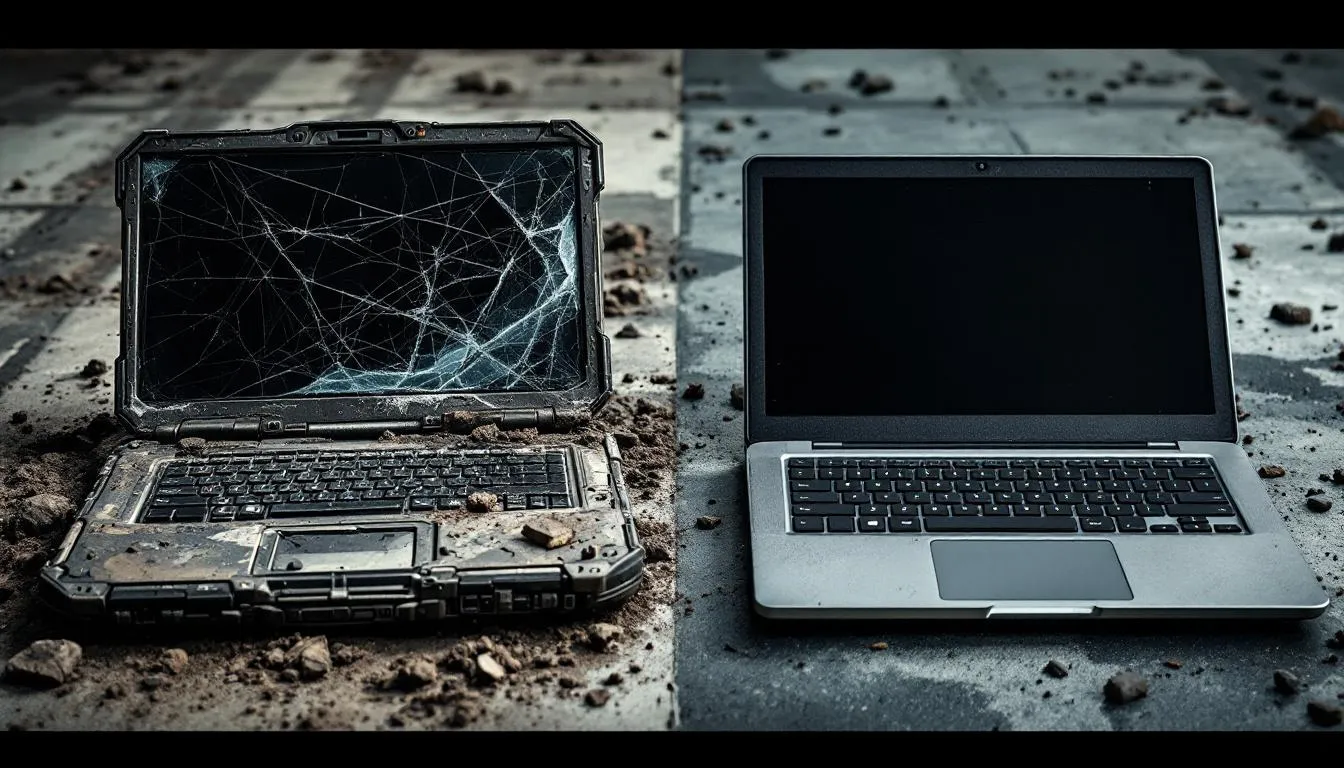
Before diving into the comparison, it's important to understand the fundamental differences between consumer and rugged laptops. Consumer laptops are designed for general use and prioritize aesthetics and convenience, making them suitable for everyday tasks. In contrast, rugged laptops are purpose-built for enterprise operations and designed to withstand extreme conditions, ensuring reliability in the harshest environments.
Consumer Laptops Overview
Consumer devices are designed for personal or general commercial use and prioritize aesthetics, convenience, and lightweight usage. Consumer-grade devices, including consumer grade laptops and consumer smartphones, are designed for everyday use, focusing on aesthetics, user-friendly interfaces, and cost-effectiveness. They cater to the general public and are perfect for activities like browsing, streaming, and light productivity tasks, making them essential in the realm of most consumer devices, consumer hardware, consumer device, and mobile devices.
Rugged Laptops Overview
Rugged devices are purpose-built for enterprise operations and designed to withstand extreme temperatures, dust, moisture, and drops. These rugged computers are intended for industrial users, designed to withstand harsh environments and challenging conditions. They are constructed from the ground up with durability in mind, incorporating features like shock-absorbing casings, reinforced screens, and robust battery systems. For example, rugged mobile computers and Honeywell rugged devices are specifically engineered to operate in fast-paced, tough environments, ensuring their components perform reliably regardless of external stressors. The most rugged devices are essential for those who need reliability in extreme conditions.
The decision between consumer and rugged devices hinges on specific operational requirements. While consumer devices might suffice for general tasks, they often fall short in durability and lifecycle when subjected to the rigors of industrial applications. Rugged laptops, on the other hand, offer better value for money in such scenarios, with their longevity and specialized design making them the go-to choice for demanding environments, especially in the rugged vs consumer devices debate.
Now that we've defined both types of laptops, let's examine how they perform in harsh environments.
Durability in Harsh Environments

Durability is the cornerstone of rugged laptops, making them indispensable in harsh environments. These devices are engineered to endure everything from extreme temperatures to physical impacts, ensuring reliable performance where consumer devices would falter.
Let’s delve into three critical aspects of durability: extreme temperatures, dust and moisture resistance, and physical impact.
Extreme Temperatures
Rugged laptops are designed to operate reliably in extreme temperatures, which is crucial for many field operations. They can function effectively in a broad temperature range, typically from -20°F to 140°F, without experiencing performance issues. This capability ensures that critical data is always accessible, whether you’re working in the scorching heat of a desert or the freezing confines of a cold storage facility.
In contrast, consumer laptops often fail when exposed to such temperature extremes, leading to lost productivity and potential data loss. For professionals working in extreme conditions, like those in construction, military, or field services, the ability of rugged laptops to withstand harsh environments and maintain stable performance is invaluable.
Dust and Moisture Resistance
Many rugged laptops achieve high Ingress Protection (IP) ratings, indicating superior resistance to both dust and water exposure. This dust resistance ensures that even in the dirtiest of environments, such as construction sites or agricultural fields, the device remains operational. The ip rating ensures reliability in challenging conditions.
Consumer laptops, on the other hand, often lack these protections, making them susceptible to damage and frequent repairs and frequent replacements in such settings.
Physical Impact
Rugged laptops are engineered with shock-absorbing features to minimize damage from drops or impacts, maintaining functionality even after experiencing rough handling. These features are crucial in unpredictable environments where accidental drops are common. For instance, a rugged laptop can continue to work effectively after a fall, ensuring that your work is not interrupted.
The batteries of rugged laptops are also built with reinforced casings to withstand impacts and vibrations, which consumer laptop batteries cannot endure. This resilience to physical demands means fewer disruptions and a lower risk of data breaches from damaged devices.
Beyond durability, battery life is another crucial factor for field operations.
Failure Rates and Reasons for Failure in the Field
A direct comparison of failure rates highlights why one type of laptop fails in the field while the other excels. Rugged models have a failure rate of only 3-4% compared to 15-20% for consumer laptops in field conditions. Consumer devices are prone to breakdowns in harsh conditions, leading to frequent replacements and higher instances of operational downtime. This higher frequency of failure and shorter life cycle means consumer laptops are less reliable and more costly over time when used in demanding environments. In contrast, rugged laptops are engineered to minimize breakdowns, ensuring consistent performance and reducing the risk of costly interruptions.
Battery Life for Field Operations
Battery life is a critical factor for field operations where access to power sources is limited. Rugged laptops generally feature batteries with higher capacities, enabling them to last longer on a single charge compared to consumer laptops, whose batteries degrade faster. This extended battery life ensures that professionals can work through their entire shift without worrying about running out of power.
Hot-Swappable Batteries
Moreover, many rugged laptops include hot swappable batteries capability, allowing users to replace batteries during operations without shutting down the device. This feature is vital for uninterrupted fieldwork, especially in military operations or remote locations where downtime is not an option.
Connectivity and performance are also essential for field success.
Connectivity and Performance
Connectivity Options
In critical situations, uninterrupted connectivity is essential for timely responses. Rugged laptops typically offer multiple connectivity options, including 3G, 4G, and Wi-Fi, which enhance their usability in remote locations. This ensures that teams can stay connected and operational, no matter where their work takes them.
Performance in the Field
Additionally, rugged laptops boast better Wi-Fi performance and roaming efficiency compared to consumer laptops, which often compromise connectivity for cost. These devices are designed to perform reliably under heavy usage, with advanced power management systems that optimize battery life, making them particularly effective for enterprise applications.
Next, let's look at the total cost of ownership and how it impacts your investment.
Total Cost of Ownership (TCO)

While rugged laptops typically have a higher upfront cost, they offer an expensive upfront investment that leads to a longer lifespan and lower failure frequency compared to consumer laptops. This durability means that rugged devices can endure harsh conditions for 3-5 years, spreading the investment over a longer term and ultimately reducing the total cost of ownership.
Using consumer-grade devices in industrial settings often leads to frequent device replacements and costly repairs, which can significantly increase the hidden costs of ownership. A three-year service level agreement (SLA) for rugged devices typically covers all repairs and replacements, helping to maintain business continuity and reduce downtime.
Security is another critical consideration, especially for enterprise and field operations.
Security Features
Physical Security Features
Rugged devices provide enhanced security features that are critical for protecting sensitive data in hazardous areas. Physical security features on rugged laptops may include:
- Kensington lock slots
- Removable microphones
- Privacy shutters for webcams
These features help ensure that the device and its data remain secure, even in challenging environments like construction sites.
Data Protection Features
Additionally, some rugged devices comply with specific security standards, such as FIPS, and include theft protection measures in BIOS settings. Enterprise-grade devices also offer encryption, secure boot, and multi-factor authentication, providing comprehensive security to mitigate vulnerabilities.
Effective device management is also essential for enterprise operations.
Device Management for Enterprise Operations
Enterprise Device Management Benefits
Improved device management in rugged laptops enhances compliance with security protocols and reduces downtime, making them highly valuable for enterprise operations. Rugged devices are increasingly adopted in enterprises due to their resilience and comprehensive management capabilities, which include easier management and compliance with security policies.
These devices minimize operational failures and delays, significantly reducing downtime compared to consumer devices. The rugged device market is projected to reach $8 billion by 2027, highlighting their growing relevance in enterprise sectors and the importance of choosing the right device for specific needs, including barcode scanning.
When selecting a laptop, it's important to consider your specific requirements and how they align with device features.
Key Considerations for Choosing the Right Laptop
Task-Specific Requirements
When choosing between rugged and consumer laptops, understanding the specific tasks the laptop will perform is crucial. This helps identify necessary features, such as processing power, storage capacity, and dedicated GPS options for navigation. Investing in rugged laptops can lead to a longer lifespan and fewer replacements, providing better long-term value despite the higher upfront cost.
Price vs. Durability
Price considerations are often weighed against durability and specifications. Rugged laptops typically provide multiple ports for connecting various peripherals, enhancing their versatility across different tasks, making them a suitable choice for tough environments.
Let's summarize the key points to help you make an informed decision.
Summary
Rugged laptops stand out for their:
- Durability
- Extended battery life
- Advanced connectivity options
- Robust security features
These attributes make them invaluable in harsh environments where consumer laptops often fail. The higher upfront cost of rugged laptops is offset by their longer lifespan and lower total cost of ownership, making them a wise investment for enterprise operations.
Choosing the right laptop depends on your specific needs and the conditions in which the device will be used. For those working in demanding fields, rugged laptops offer unmatched reliability and performance, ensuring that your operations remain smooth and productive.
For further clarity, here are answers to some frequently asked questions.
Frequently Asked Questions
What is the difference between rugged laptop and normal laptop?
Rugged laptops are designed to withstand harsh conditions like water, dust, and drops, featuring reinforced materials and sealed ports, while normal laptops focus more on sleek design and standard use. So, if you're working in extreme environments, a rugged laptop is the way to go!
Do rugged laptops last longer?
Absolutely, rugged laptops tend to last longer than regular ones because they’re built to handle tough conditions and are designed with durability in mind. This means you get reliable performance for a longer time, especially in environments that would typically wear out standard laptops.
How do rugged laptops handle extreme temperatures?
Rugged laptops are built to handle extreme temperatures, working smoothly in conditions ranging from -20°F to 140°F. So, you can trust them to perform even when the heat is on—or off!
Why is battery life important in field operations?
Battery life is super important in field operations because you often can't find a power source when you need it. High-capacity batteries in rugged devices keep you working smoothly without interruptions.
What security features do rugged laptops offer?
Rugged laptops offer solid security features, including:
- Kensington lock slots
- Encryption
- Secure boot
- Multi-factor authentication
